
You’ve heard the word. Maybe someone used it casually, or maybe you’re searching because you’re genuinely worried about someone you love. Either way, you deserve a clear, honest answer — not a clinical wall of text that leaves you with more questions than you started with.
Tweaking is slang for the dangerous state of intense stimulation caused by methamphetamine use — or sometimes other stimulants like cocaine. It describes a period of extreme agitation, sleeplessness, paranoia, and erratic behavior that occurs during or after a stimulant binge, particularly when someone has been awake for days and the drug’s effects are wearing thin. It’s one of the most recognizable — and frightening — signs of serious stimulant addiction.
Turning Point of Tampa has been helping adults overcome stimulant addiction and substance use disorders since 1987 from our single-campus treatment facility in Tampa, Florida. As a family-owned center recognized by Newsweek as one of America’s Best Addiction Treatment Centers, we offer a complete continuum of care — from medical detox through long-term aftercare — all in one place. Our clinical team is board-certified in addiction medicine and experienced in treating the full scope of stimulant-related conditions, including the dangerous physical and psychological effects that come with tweaking.
Defining Tweaking: What Does “Tweaking” Actually Mean?

So where did this word come from, and why does it matter?
The tweaking meaning in the context of substance abuse is specific and serious. It doesn’t just mean someone is acting a little strange. It refers to a distinct clinical state — one that can be dangerous for the person experiencing it and for those around them.
The term can be traced back centuries in the English language, and it has roots in African American Vernacular English (AAVE), where it was originally used to describe people who appeared mentally unhinged or behaving erratically. Over time, the word became strongly associated with the behavior observed in heavy methamphetamine users — particularly during extended binges.
Here’s the thing: the word has other meanings depending on context. In everyday slang — especially among Gen Z — “tweaking” sometimes just means overreacting, acting strange, or being silly. Someone might say “stop tweaking” to a friend who’s upset about something minor. But when we’re talking about substance use, the tweaking meaning is far more serious and carries real medical weight.
| Context | Tweaking Meaning |
|---|---|
| Drug use (meth/stimulants) | Dangerous state of intense stimulation, sleeplessness, paranoia, and erratic behavior |
| Gen Z casual slang | Overreacting, acting strange, or being irrational |
| Original AAVE usage | Behaving in a mentally erratic or unhinged way |
| Technical/general use | Making small adjustments to something (software, settings, etc.) |
The distinction matters. If someone says “I’m tweaking” after misplacing their keys, that’s different from someone who hasn’t slept in four days and is convinced they’re being watched. Recognizing which situation you’re in could save a life.
What Does Tweaking Out Look Like?
What does tweaking out actually look like in real life? It’s not subtle.
Tweaking occurs when someone — typically using methamphetamine — has pushed past the normal high and entered a state where the brain’s dopamine system is severely depleted. The body is still flooded with stimulant effects, but the euphoria is gone. What’s left is chaos.
Behavioral Signs of Tweaking
- Extreme agitation — unable to sit still, pacing, repetitive movements
- Rapid, pressured speech — talking very fast or in disjointed patterns
- Paranoia — intense, irrational suspicion of others
- Hallucinations — visual or auditory, often insects, shadows, or voices
- Inability to sleep despite exhaustion (sometimes after days without rest)
- Unpredictable or violent behavior — because fear and paranoia are driving decisions
- Intense focus on meaningless tasks (called “punding”) — taking apart and reassembling objects for hours
Client Spotlight
James had been using meth on and off for about three years before his wife called us. She described watching him spend an entire weekend dismantling and reassembling a toaster — convinced there was something hidden inside. He hadn’t slept in four days. She didn’t know the word “tweaking,” but she described it perfectly. James came in for medical detox and stayed through residential treatment. He told us later that the most powerful part of treatment wasn’t just stopping the drug — it was finally understanding what the drug had been doing to his brain, and why he’d been terrified of nothing for days on end.
The Physical Toll of Tweaking**
The body takes a brutal hit during a tweaking episode. This isn’t just about behavior — it’s a medical event.
- Cardiovascular stress — racing heart, elevated blood pressure, risk of heart attack or stroke
- Hyperthermia — dangerously high body temperature
- Severe dehydration and malnutrition — people often don’t eat or drink for days
- Skin sores — from compulsive picking (often described as “meth mites,” the sensation of bugs crawling under the skin)
- Dental decay — “meth mouth,” caused by dry mouth, teeth grinding, and neglected hygiene
- Neurological damage — prolonged meth use and repeated tweaking episodes can cause lasting changes to the brain’s dopamine and serotonin systems
This is why tweaking isn’t just a strange behavior to wait out. It’s a medical emergency waiting to happen.
What Causes Someone to Start Tweaking?
Want to understand the biology? It’s actually not complicated once you see it clearly.
Methamphetamine floods the brain with dopamine — far more than any natural pleasure or reward ever could. The brain responds by reducing its own dopamine production and receptor sensitivity. After a prolonged binge, the drug keeps stimulating the body while the brain’s reward system is essentially bankrupt.
That gap — between what the stimulant is doing and what the brain can feel — is where tweaking lives. The person is neither high nor truly coming down. They’re trapped in a state of hyperactivation with no emotional bottom, often for 12 to 72 hours or longer.
This is why you can’t simply talk someone out of tweaking. The neurochemical disruption is real. And it’s why professional medical detox — not willpower, not sleep, not “just stopping” — is the right response.
Tweaking, Meth, and Dual Diagnosis
Here’s what many people don’t realize: stimulant addiction rarely exists in isolation.
A significant percentage of people who use methamphetamine heavily — the kind of use that leads to repeated tweaking episodes — are also managing untreated mental health conditions. Anxiety disorders, PTSD, bipolar disorder, and depression are common co-occurring conditions, meaning a dual diagnosis.
The meth may have started as self-medication. It provided energy, confidence, or escape from something that felt unmanageable. Over time, the drug makes every underlying condition dramatically worse — and creates new ones.
Treating only the addiction without addressing the mental health piece is like treating a wound without cleaning it first. At our Tampa facility, we don’t separate these conditions. We treat them as the integrated reality they are.
Client Spotlight
Taylor came to us after two previous treatment attempts that hadn’t stuck. Both programs had focused entirely on the meth use and sent Taylor home with a sobriety plan. What neither program had asked about — or treated — was the severe anxiety that had been driving the use since Taylor was a teenager. By the time we completed a full dual diagnosis assessment, it was clear that the anxiety wasn’t a side effect of the meth. It had come first. For Taylor, treating both at the same time — through a combination of evidence-based therapy and 12-Step work — made all the difference. That was eighteen months ago.
What to Do If Someone Is Tweaking
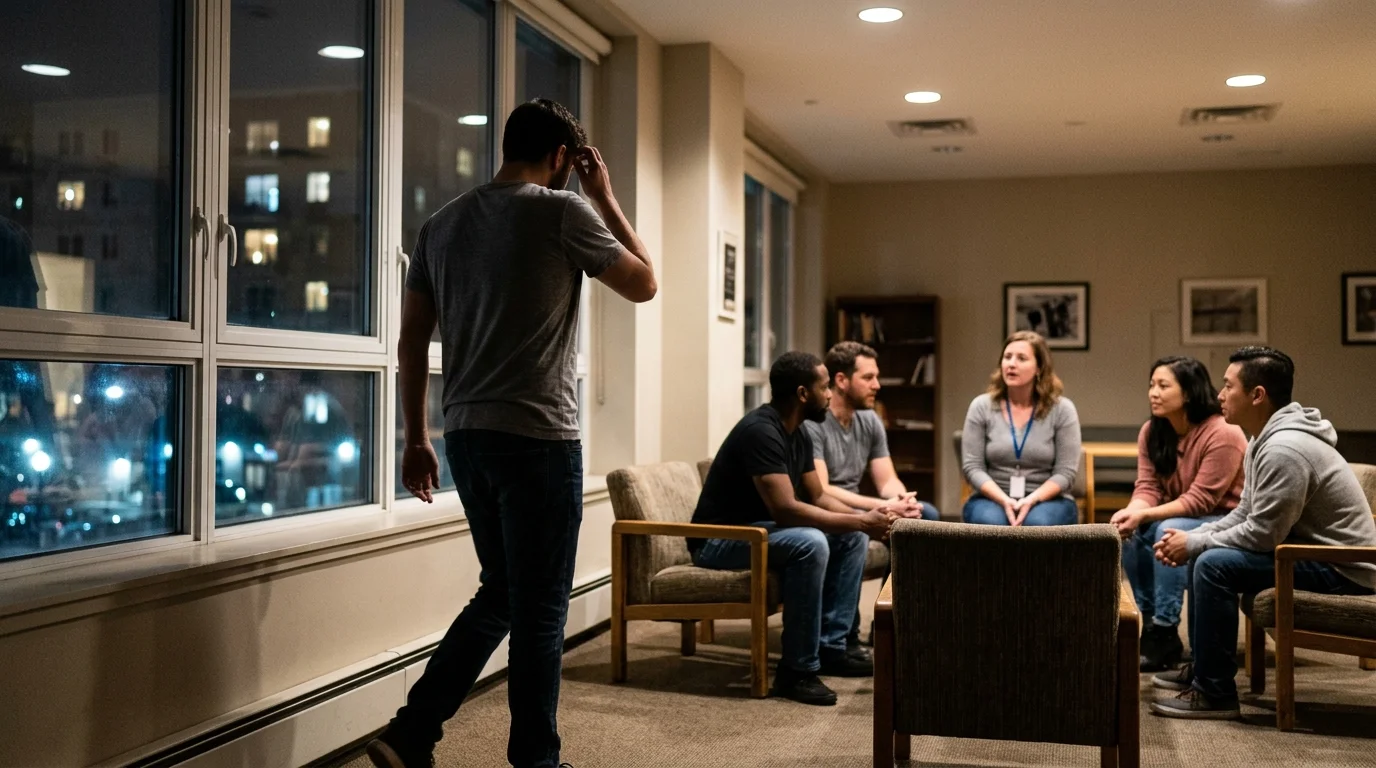
Let’s be real: most people who search “what is tweaking” aren’t doing academic research. They’re worried about someone.
If you’re watching someone tweak right now, here’s what matters:
- Don’t panic or escalate. Paranoia is already at maximum. Any sudden movement or raised voice can trigger a violent response.
- Don’t argue with delusions. If they believe something irrational, trying to correct them won’t help and may make it worse.
- Speak calmly and slowly. Low voice, open body language, minimal stimulation.
- Remove dangerous objects from the environment if you can do so safely.
- Call 911 if there’s any risk of harm — to themselves or others.
- After the episode, get professional help. This isn’t a one-time event. Tweaking is a symptom of a serious substance use disorder that requires proper treatment.
And if that person is you — if you’re recognizing yourself in this article — that recognition is the first step. Don’t dismiss it.
How Turning Point of Tampa Approaches Stimulant Addiction
We’ve been treating stimulant addiction in Tampa since 1987. Nearly four decades of work means we’ve learned what helps people actually recover — not just detox, not just stabilize, but rebuild their lives.
Our approach combines medically supervised detox with residential treatment, partial hospitalization, and intensive outpatient programming — all on one campus. That matters because people in recovery don’t heal in segments. Continuity of care, familiar staff, and consistent relationships create the kind of trust that makes real change possible.
Our treatment philosophy is built on 12-Step principles combined with evidence-based therapies, including Cognitive Behavioral Therapy (CBT), Dialectical Behavior Therapy (DBT), and Accelerated Resolution Therapy (ART) — a clinically validated approach that has shown particular effectiveness for trauma-related conditions that often co-occur with stimulant addiction.
We’re Joint Commission accredited, ASAM certified at levels 3.5 and 3.7, and in-network with most major insurance providers. Our free weekly aftercare groups are available to every former client — for as long as they need support. Because we’re family-owned, our investment in your recovery doesn’t end at discharge.
If you’re a family member reading this, know that our free weekly family support groups are available to you too — during treatment and long after.
Supporting Articles

- Detox Centers in Tampa — Learn what medically supervised detox involves, what to expect, and why professional withdrawal management is essential for stimulant and drug dependence.
- Mental Health and Dual Diagnosis Treatment in Tampa — Explores how co-occurring mental health conditions like anxiety and PTSD intersect with substance use disorders and why integrated treatment produces better outcomes.
- Addiction Treatment in Tampa, Florida — An overview of the full continuum of addiction treatment services available in Tampa, including what each level of care involves and who it’s designed to help.
- How to Choose the Right Rehab in Tampa — A practical guide for individuals and families evaluating treatment options, covering accreditation, levels of care, and what questions to ask before committing.
- Drug Rehab Centers in Tampa — Detailed information about residential and outpatient drug rehabilitation programs in the Tampa area for adults struggling with substance use.
Frequently Asked Questions
What Does “Tweaking” Mean in Slang?
In drug slang, tweaking means the dangerous state of intense stimulation caused by methamphetamine or other stimulant use, characterized by paranoia, sleeplessness, hallucinations, and erratic behavior. In casual Gen Z slang, it can simply mean overreacting or acting irrationally — but the drug-related meaning is far more serious.
What Does Tweaking Out Feel Like?
Someone tweaking out is typically in a state of extreme agitation, paranoia, and physical exhaustion without being able to sleep. They may experience hallucinations — insects crawling under the skin, shadows, or voices — and be unable to think clearly or communicate normally. It’s a frightening experience for the person and for anyone nearby.
How Long Does Tweaking Last?
A tweaking episode can last anywhere from a few hours to several days, depending on how long the person has been using, how much they consumed, and their individual physiology. After the episode ends, the person typically “crashes” — sleeping for extended periods as the body tries to recover. Professional medical monitoring during this period is strongly recommended.
Is Tweaking the Same as a Meth Overdose?
Tweaking and a meth overdose are related but distinct. Tweaking refers specifically to the agitated, paranoid state during or after prolonged use. An overdose involves dangerous physical symptoms like seizures, heart attack, or stroke. Both are medical emergencies. If someone is showing signs of cardiovascular distress, losing consciousness, or having a seizure, call 911 immediately.
Can Tweaking Cause Permanent Damage?
Yes. Repeated tweaking episodes are associated with lasting neurological damage, including reduced dopamine function, memory impairment, and increased risk of psychiatric conditions. The cardiovascular system, skin, teeth, and immune system can also sustain serious long-term harm. Early intervention with professional treatment can help limit — though not always reverse — these effects.
What’s the Difference Between Tweaking and Withdrawal?
Tweaking happens during or immediately after stimulant use, when someone is still under the drug’s influence but past the euphoric phase. Withdrawal begins after stopping use entirely and involves different symptoms — intense fatigue, depression, increased appetite, and prolonged sleep. Both phases can be medically and psychologically challenging, and both are best managed with professional support.
What Should I Do If I Think Someone I Love Is Addicted to Meth?
Don’t wait for things to get worse. Reach out to a treatment facility that offers medically supervised detox and a full continuum of care. Avoid ultimatums delivered without support, and understand that addiction is a disease — not a choice. Many families begin by calling the facility themselves to ask questions and understand their options before approaching their loved one.