You’ve probably heard of Molly. But have you heard of Sally? MDA — known on the street as Sally, Sass, Sassafras, and the Love Drug — is a close chemical cousin of MDMA, and the confusion between the two is real, widespread, and genuinely dangerous. Understanding the difference between MDA and MDMA isn’t just academic trivia. It could be the information that helps you recognize a problem before it becomes a crisis.
Here’s the direct answer: MDA (3,4-methylenedioxyamphetamine) and MDMA (3,4-methylenedioxymethamphetamine) are distinct synthetic drugs with similar chemical structures but different effects. MDMA — commonly called Molly or Ecstasy — is primarily a serotonin-releasing agent with stimulant properties. MDA leans more heavily on dopamine and has stronger stimulant and hallucinogenic effects, typically lasting longer than MDMA.
At Turning Point of Tampa, we’ve been treating adults struggling with stimulant use, poly-drug dependence, and dual diagnosis conditions since 1987 from our single-campus facility in Tampa, Florida. For nearly four decades, our clinical team has worked with individuals whose substance use involved MDMA, MDA, and the full spectrum of synthetic drugs — often alongside co-occurring mental health conditions that went undiagnosed for years. As a Joint Commission accredited, ASAM-certified facility recognized by Newsweek as one of America’s Best Addiction Treatment Centers, we’re equipped to address the full picture of what these substances do to the body, the brain, and the life surrounding them.
Understanding MDThe Drug Known as “Sally”
So what exactly is MDA, and why does it matter? MDA stands for 3,4-methylenedioxyamphetamine. It’s a synthetic drug in the phenethylamine and amphetamine classes — structurally related to MDMA but distinct in how it acts in the brain.
MDA was actually synthesized before MDMA, first appearing in the 1960s as a research compound and briefly used in psychotherapy before being classified as a Schedule I controlled substance in 1970. That means it has no federally recognized medical use and a high potential for abuse.
Street names for MDA include:
- Sally (the most common)
- Sass
- Sassafras
- The Love Drug
- Mellow Drug of America (a backronym occasionally used)
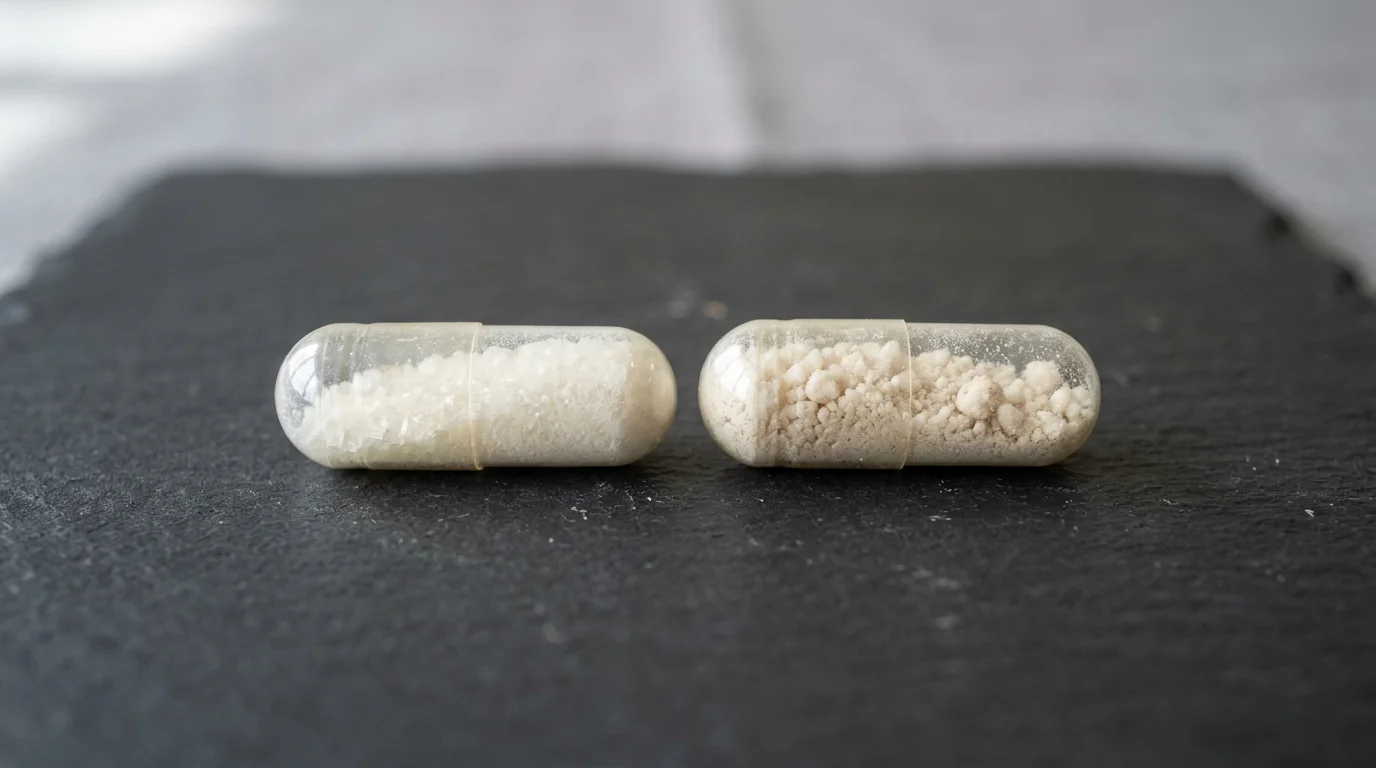
What are MDA drugs, exactly? In practice, they’re pills, capsules, or powders sold in recreational settings — clubs, music festivals, underground parties. They’re often misrepresented, mislabeled, or intentionally sold as MDMA. And that misrepresentation creates a serious risk.
Client Spotlight
Diane had been attending music festivals for years and thought she knew what she was taking. She’d used what she believed was Molly recreationally — but after one particularly intense night that left her shaking, confused, and unable to sleep for two days, her older sister reached out to us. When we asked about the substance, the description didn’t match MDMA. The longer duration, the more intense visual disturbances, the pronounced stimulant crash — those were consistent with MDA. It wasn’t a crisis Diane saw coming. It was one her family helped her navigate, together, after that phone call.
MDA vs. MDMKey Differences

Here’s the thing — these two drugs share a lot of DNA. Literally. But the molecular difference between MDA and MDMA matters more than most people realize.
MDMA has an additional methyl group attached to its nitrogen molecule. That one structural difference changes how each drug interacts with your brain’s neurotransmitter systems.
| Feature | MDA | MDMA |
|---|---|---|
| Full chemical name | 3,4-methylenedioxyamphetamine | 3,4-methylenedioxymethamphetamine |
| Common street names | Sally, Sass, Sassafras, Love Drug | Molly, Ecstasy, X, E, XTC |
| Primary neurotransmitters affected | Dopamine and serotonin | Serotonin, dopamine, norepinephrine |
| Duration of effects | 8–12 hours | 3–5 hours |
| Hallucinogenic intensity | Higher | Lower |
| Stimulant intensity | Higher | Moderate |
| Empathogenic effects | Present, but less pronounced | Strongly pronounced |
| Schedule | Schedule I | Schedule I |
The key takeaway from this table: MDA hits harder, lasts longer, and carries a heavier hallucinogenic burden than MDMA. That difference in duration and intensity alone changes the risk profile significantly.
Both are Schedule I substances. Neither has an accepted MDMA medical use in the United States, though MDMA has been studied in controlled clinical research settings for PTSD treatment — a context that is tightly regulated and entirely different from recreational use.
How MDA Differs From Molly

“Molly vs. MDMA” is actually a simpler comparison than “MDA vs. Molly.” Want to know why? Because Molly and MDMA are essentially the same thing.
Molly is a street name — short for “molecular” — that was originally intended to refer to pure powder or crystal MDMA. In practice, what’s sold as Molly isn’t guaranteed to be pure MDMA at all. It frequently contains other substances, adulterants, or in some cases, MDA instead of MDMA.
MDA vs. Molly, then, is a comparison between a different drug (MDA) and a form of MDMA sold under a street name. Here’s what you need to know:
- MDA and Molly are not the same substance. MDA is a distinct chemical compound.
- MDA and Molly produce similar but not identical effects. MDA’s longer duration and more intense hallucinogenic activity set it apart.
- You often can’t tell the difference by looking. Both can appear as powder, crystal, or pressed pills. Without lab testing, distinguishing them visually is essentially impossible.
- The “purity” promise is a myth. Whether someone calls it Molly, Sass, or anything else, there’s no guarantee of what’s actually in the substance.
That last point is not a minor footnote. It’s the part that lands people in emergency rooms.
Street Names for MDA and MDMA
Knowing the MDMA street names — and the MDA ones — matters if you’re a parent, a partner, a friend, or someone trying to understand their own history with these substances.
MDMA street names include:
- Molly
- Ecstasy
- X, XTC
- E
- Beans
- Candy
- Rolls
MDA street names include:
- Sally
- Sass
- Sassafras
- Love Drug
- Mellow Drug of America
Both substances may also be found disguised in pressed pills branded with logos, emoji imprints, or color-coded designs intended to mimic pharmaceutical products. That branding is marketing. It tells you nothing about what’s inside.
Effects, Risks, and Duration
MDMA acts as both a stimulant and a hallucinogen — that dual nature is well-documented. MDA takes that profile and intensifies it. Both substances flood the brain with neurotransmitters in ways it isn’t designed to handle repeatedly.
What MDA and MDMA Do to the Brain
Both drugs trigger a massive release of serotonin, dopamine, and norepinephrine. MDMA’s effect is dominated by serotonin release, which creates the sense of emotional openness, empathy, and warmth that makes it famous in certain social settings. MDA also releases serotonin, but its dopamine activity is more pronounced — contributing to stronger stimulant effects and a more intense, sometimes disorienting high.
Does Molly give you serotonin or dopamine? Both — but MDMA’s signature effect is primarily serotonin-driven. MDA skews more toward dopamine alongside its serotonin activity, which is why MDA’s stimulant properties feel sharper and its comedown can be more severe.
Short-Term Effects
| Effect Category | MDA | MDMA |
|---|---|---|
| Euphoria | Yes | Yes |
| Increased energy | Intense | Moderate |
| Empathy/emotional openness | Moderate | Strong |
| Visual distortions/hallucinations | More pronounced | Mild to moderate |
| Elevated heart rate and blood pressure | Yes | Yes |
| Jaw clenching/teeth grinding | Yes | Yes |
| Nausea | Yes | Yes |
| Duration | 8–12 hours | 3–5 hours |
The Comedown
The comedown from both substances can be brutal. Serotonin depletion after heavy use produces what users call the “comedown” — days of fatigue, depression, irritability, difficulty concentrating, and sleep disruption. Because MDA lasts longer and depletes neurochemical reserves more extensively, the comedown can be more pronounced and last longer.
Repeated use doesn’t just make the comedown worse. It begins to damage serotonin-producing neurons — a pattern linked to long-term mood disorders, cognitive impairment, and worsening mental health.
Long-Term Risks
- Neurotoxicity — particularly to serotonergic neurons with chronic use
- Dependence and compulsive use patterns, even without classic physical addiction
- Worsening anxiety and depression — especially in individuals with pre-existing mental health conditions and dual diagnosis
- Cardiovascular stress — increased blood pressure, irregular heart rate
- Hyperthermia — dangerously elevated body temperature, especially in hot environments
- Hyponatremia — dangerous overhydration from drinking excessive water, a common and potentially fatal complication
- Adulteration risk — unknown substances in street drugs dramatically increase overdose risk
Signs of MDA Use and When to Seek Help

What does MDA use actually look like? Recognizing it isn’t always obvious — especially because MDA is often misidentified as Molly or Ecstasy, even by the person using it.
Signs that someone may be using MDA or MDMA:
- Unusually elevated mood or emotional intensity followed by a sharp crash
- Dilated pupils and heightened sensitivity to light
- Jaw clenching, teeth grinding
- Sweating profusely in cool environments
- Insomnia or severely disrupted sleep patterns
- Periods of intense sociability followed by days of withdrawal and low mood
- Loss of interest in activities that don’t involve substance use
- Using more than intended, or using in situations that feel out of control
The question isn’t just whether someone is using. It’s whether the use has taken on a life of its own.
Client Spotlight
Andre was 26 when his parents called us. They’d noticed a pattern over nearly two years — weekends away, mood crashes that lasted until Wednesday, increasing anxiety, and a growing distance between their son and everyone who loved him. Andre didn’t think he had a problem. He thought he just liked going out. But the gap between who he was on Monday and who he was on Saturday had become impossible to ignore. When he arrived at our Tampa facility, our clinical team identified not just the stimulant use pattern but the underlying anxiety that had been driving it — conditions we treat together, not separately, because they rarely exist alone.
How Turning Point of Tampa Approaches Stimulant and Synthetic Drug Treatment
Not every facility is equipped to treat the full picture. That’s not a criticism — it’s a clinical reality.
At Turning Point of Tampa, we specialize in addiction, dual diagnosis, and eating disorders because these conditions frequently co-occur. Someone using MDA or MDMA recreationally for the emotional numbness or the social confidence it provides is often managing untreated anxiety, depression, or trauma underneath. Treating only the substance use — without addressing what’s driving it — leaves the door open for relapse.
Our programming combines the daily structure of 12-Step principles with evidence-based clinical care, including CBT, DBT, and Accelerated Resolution Therapy. Group counseling is the keystone of what we do, because healing in community is not optional — it’s essential. We’ve held that belief since 1987, and nearly four decades of results have only reinforced it.
We offer a complete continuum of care on one Tampa campus — medical detox through residential treatment, PHP, IOP, and long-term aftercare — so clients don’t have to navigate transfers or rebuild trust with a new treatment team every few weeks. And because we’re family-owned, our investment in your recovery doesn’t end at discharge. Free weekly aftercare groups are available for as long as you need them.
We’re in-network with most major insurance. Our doors are open 24/7.
Supporting Articles
- Mental Health and Dual Diagnosis Treatment in Tampa — Many people who use MDA or MDMA are managing untreated mental health conditions alongside their substance use. This resource explains how dual diagnosis treatment works and why integrated care produces better outcomes.
- Fentanyl and Benzodiazepines — Street drugs are frequently adulterated with dangerous substances. This article examines the deadly combination of fentanyl with other drugs — a risk relevant to anyone using unregulated pills or powders.
- Drug Rehab Centers in Tampa — An overview of what to look for when choosing addiction treatment in Tampa, including accreditation, levels of care, and what sets quality facilities apart.
- Detox Centers in Tampa — If MDA or MDMA use has progressed to daily or compulsive use, medically supervised detox may be the first step. This page explains what that process looks like.
- How to Choose the Best Drug Rehab Near Me — A practical guide to evaluating treatment options, asking the right questions, and finding the level of care that matches your situation.
Frequently Asked Questions
What Is the Difference Between Molly and MDMA?
There is no chemical difference between Molly and MDMA. Molly is simply a street name — short for “molecular” — intended to suggest pure MDMA in powder or crystal form. In practice, both terms refer to the same synthetic drug: 3,4-methylenedioxymethamphetamine. However, what’s sold as Molly isn’t always pure MDMA and may be adulterated or substituted with other substances, including MDA.
What Is MDA, and How Is It Different From MDMA?
MDA (3,4-methylenedioxyamphetamine) is a synthetic stimulant and hallucinogen chemically similar to MDMA but structurally distinct. MDA lacks the methyl group present in MDMA, which changes how it interacts with neurotransmitter systems. MDA produces stronger hallucinogenic effects, more intense stimulant properties, and lasts significantly longer — typically 8 to 12 hours compared to MDMA’s 3 to 5 hours.
What Are the Street Names for MDA and MDMA?
MDA goes by Sally, Sass, Sassafras, and the Love Drug. MDMA street names include Molly, Ecstasy, X, XTC, E, Beans, Candy, and Rolls. Both substances may also appear in pressed pills with branded imprints, which tells users nothing about the actual contents.
Does Molly Give You Serotonin or Dopamine?
MDMA primarily triggers a massive release of serotonin, which produces the emotional warmth and empathy the drug is known for. It also increases dopamine and norepinephrine. MDA has a more pronounced dopamine effect alongside serotonin release, contributing to its stronger stimulant character. Both substances deplete these neurotransmitters, contributing to the crash users experience in the days following use.
Is Molly Considered a Hard Drug?
Yes. Despite its reputation as a “party drug,” researchers and addiction specialists widely consider MDMA — and by extension MDA — a hard drug. While classic physical dependence isn’t always present, both substances carry significant risks, including neurotoxicity, cardiovascular strain, hyperthermia, and compulsive use patterns. Their use can be fatal, particularly in hot environments or when combined with other substances.
Can You Become Addicted to MDA or MDMA?
Both substances can produce compulsive use patterns that function similarly to addiction, even if they don’t always cause the physical dependence seen with opioids or alcohol. Regular use can rewire reward pathways in the brain, erode baseline mood and motivation, and lead to escalating use to achieve the same effect. When use continues despite clear consequences, professional treatment is appropriate.
What Should I Do If I Think Someone I Love Is Using MDA or MDMA?
Don’t wait for things to get worse. Reach out to a treatment professional who can help you understand what level of care is appropriate and how to have the conversation with your loved one. Families don’t have to navigate this alone — support resources, including family counseling, are part of what quality treatment looks like. Contact us today to speak with someone who can help.