Many people struggle with sugar addiction without realizing the powerful grip it has on their daily choices and overall health.
This article is for individuals struggling with sugar cravings, their loved ones, and anyone interested in understanding the science and solutions for sugar addiction. Understanding sugar addiction is crucial for improving health and well-being.
While the Diagnostic and Statistical Manual of Mental Disorders doesn’t officially classify sugar addiction as a substance use disorder, the behavioral and neurochemical effects of excessive sugar intake mirror patterns seen with addictive drugs in profound ways.
Sugar addiction affects millions of Americans who find themselves caught in cycles of sugar cravings, binge eating, and withdrawal symptoms that feel impossible to break. Understanding the science behind sugar dependence and recognizing the signs can be the first step toward regaining control of your health and well-being.
What Is Sugar Addiction?
Sugar addiction describes a pattern of compulsive sugar consumption characterized by intense cravings, loss of control over food intake, and continued use despite negative consequences. Addiction research traditionally focuses on substances like alcohol, opioids, and stimulants, but mounting evidence suggests that intermittent sugar access can produce numerous behaviors and brain alterations that match those seen with substance dependence.
Explicit Definitions of Sugar Addiction Signs and Behaviors:
- Signs of sugar addiction include intense cravings, bingeing, withdrawal symptoms like headaches and irritability, and emotional eating.
- Signs of sugar addiction include consuming large amounts of sugary foods and drinks.
- Intense cravings for sweets often occur several times a day, even when not hungry.
- Binge eating is a common behavior associated with sugar addiction.
- People with sugar addiction may eat constantly or eat to combat boredom.
- Craving sugar after stressful or irritating life experiences is a sign of sugar addiction.
- Emotional eating, such as turning to sugar for comfort during stressful situations, can indicate sugar addiction.
The term “sugar addiction” encompasses both psychological dependence and physical responses to sugary foods. When we talk about sugar addiction, we’re primarily referring to added sugar found in processed foods, soft drinks, candy, and baked goods rather than naturally occurring sugars in fruits and vegetables.
Sugar dependence develops through repeated exposure to high levels of refined sugar, particularly when consumed in a pattern of intermittent sugar intake. This pattern of eating sweet foods irregularly or in binges appears to strengthen addictive-like responses more than consistent, moderate sugar consumption.
How Sugar Differs from Natural Rewards
Natural rewards like food, water, and social connection evolved to activate pleasure centers in the brain, reinforcing behaviors essential for survival. However, the concentrated sweetness in modern processed foods far exceeds what our ancestors encountered in their natural form. Table sugar, high-fructose corn syrup, and other refined sweeteners deliver an intensity that can override normal satiety signals.
The sweet taste of sugar-rich foods activates reward pathways more intensely than whole foods with naturally occurring sugars. This supernormal stimulus effect helps explain why people crave sugar beyond basic nutritional needs and why sugar bingeing becomes so difficult to control.
The Neuroscience of Sugar Addiction

Understanding how sugar affects the brain reveals why sugar addiction shares so many characteristics with drug addiction. Research over the past two decades has uncovered remarkable similarities in the neural systems underlying both types of compulsive behavior.
Brain Pathways and Dopamine Release
Sugar consumption triggers significant dopamine release in reward-processing regions of the brain, particularly the nucleus accumbens. This brain circuitry, activated by palatable food, overlaps extensively with pathways that addictive drugs exploit. The same neural systems that underlie drug seeking also respond powerfully to sugar-rich foods, creating similar patterns of craving and compulsive use from food and drug intake.
Clinical nutrition research shows that when people consume sugar, dopamine levels spike rapidly, creating feelings of pleasure and reward. With repeated exposure, the brain adapts through a process resembling drug sensitization, where responses to sugar become amplified while baseline dopamine function may decline.
Opioid System Involvement
Beyond dopamine, sugar dependency also involves the brain’s opioid system. Studies using opioid antagonists have demonstrated that blocking opioid receptors reduces sugar consumption and the pleasure derived from sweet foods. This opioid receptor binding, when eating sweet foods, creates a powerful reinforcement that drives continued use.
The behavioral and neurochemical effects of intermittent sugar access include increased opioid receptor expression in reward centers. This neuroadaptation implies psychological dependence, as the brain becomes reliant on sugar for the normal functioning of pleasure and reward circuits.
Brain Alterations Similar to Substance Abuse
Brain imaging studies reveal that chronic excessive sugar intake produces brain alterations that match those seen in substance use disorders. Dr. Nora Volkow of the National Institute on Drug Abuse has documented similarities between the brains of obese individuals with probable food addiction and those with alcohol or drug addiction.
These brain alterations include:
- Reduced dopamine receptor availability
- Altered activity in prefrontal regions governing impulse control
- Enhanced responses to food-related cues
- Weakened self-regulation circuits
The overview of neural systems involved in both feeding behaviors and drug self-administration reveals deep evolutionary connections. Both activate overlapping brain regions, employ similar neurotransmitter systems, and produce comparable patterns of tolerance, withdrawal, and relapse.
Recognizing Signs of Sugar Addiction
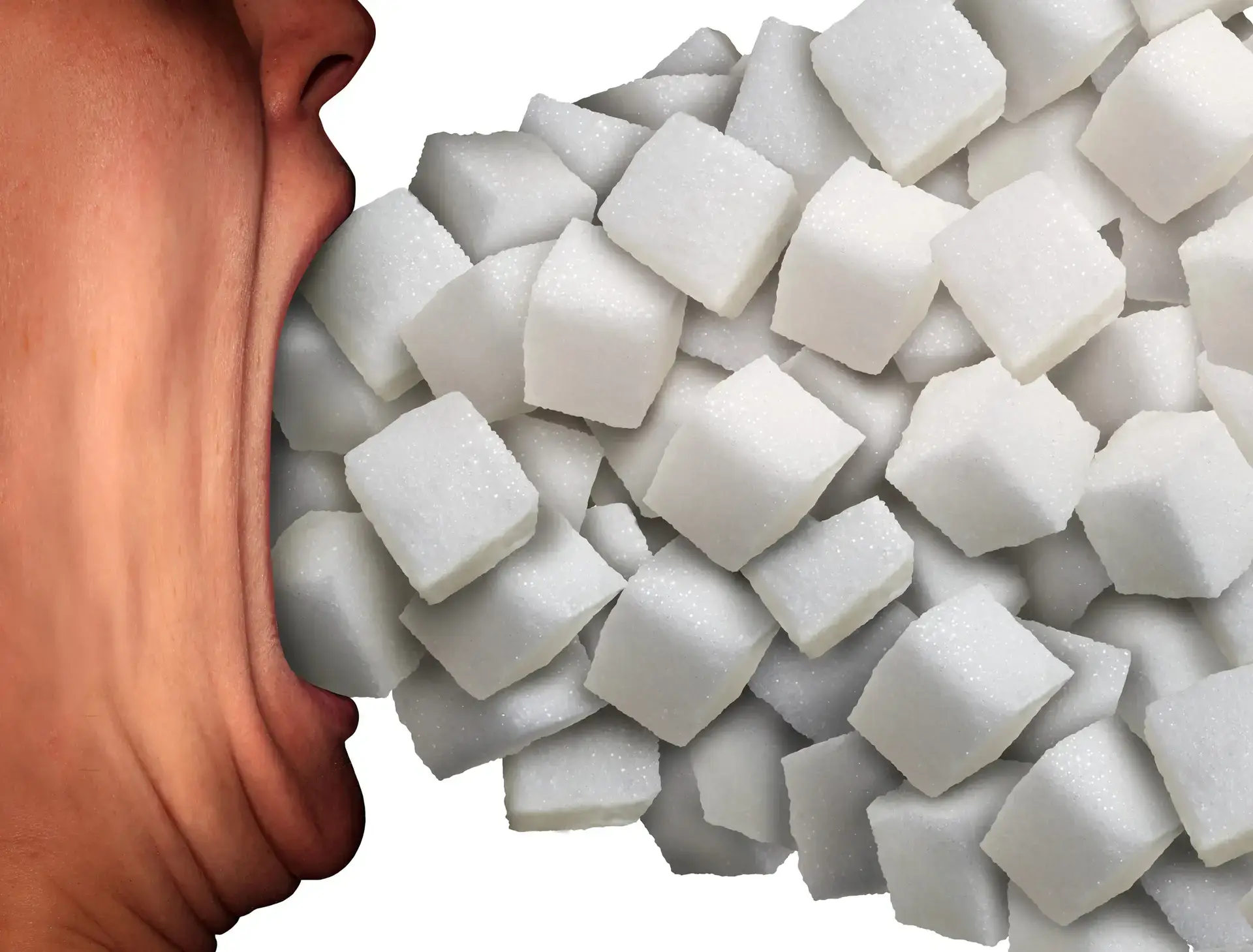
People describe symptoms of sugar addiction that closely parallel those of substance use disorders. While individual experiences vary, common patterns emerge that describe food craving and dependence on sugary foods.
Behavioral Signs
Behavioral indicators that someone may be sugar dependent include:
Intense Cravings: Experiencing powerful urges to consume sugar that feel difficult or impossible to resist. These sugar cravings often occur at specific times of day or in response to stress, boredom, or other emotional triggers.
Loss of Control: Starting to eat sweet foods with the intention of having just a small amount, then consuming much more than planned. This loss of control characterizes both binge eating and sugar addiction.
Tolerance Development: Needing to consume sugar in increasing amounts to achieve the same pleasurable effects. As with addictive drugs, regular users find they need more sugar over time to satisfy their sweet tooth.
Withdrawal Symptoms: Experiencing psychological or discomfort when attempting to reduce sugar consumption. Sugar withdrawal can include headaches, irritability, fatigue, depression, and intensified cravings.
Continued Use Despite Consequences: Persisting with excessive sugar intake even after experiencing negative effects like weight gain, blood sugar problems, dental issues, or energy crashes.
Preoccupation: Spending considerable mental energy thinking about when and how to consume sugar, planning sugar consumption, or feeling anxious about access to sugary foods.
Failed Attempts to Cut Back: Repeatedly trying and failing to reduce sugar intake or quit cold turkey, despite genuine motivation to change.
Physical Warning Signs
The physical manifestations of excessive sugar intake often include:
Blood Sugar Instability: Experiencing dramatic energy fluctuations throughout the day, with peaks after consuming sugar, followed by crashes that trigger renewed cravings. These blood sugar roller coasters can eventually lead to insulin resistance and metabolic dysfunction.
Weight Gain: Accumulating excess body weight, particularly around the midsection, due to sugar’s effects on metabolism, insulin function, and fat storage. Added sugar provides calories without satiety, making it easy to overconsume.
Energy Fluctuations: Feeling energized briefly after sugar consumption, followed by pronounced fatigue. This pattern reflects how the body processes simple carbohydrates versus complex carbohydrates in whole foods.
Dental Problems: Developing cavities, gum disease, or tooth decay at an accelerated rate due to the bacteria in the mouth feeding on sugar.
Skin Issues: Noticing increased acne, premature aging, or inflammation-related skin problems linked to the inflammatory effects of high sugar consumption.
Sleep Disruption: Experiencing difficulty falling or staying asleep, which can relate to blood sugar fluctuations and sugar’s impact on stress hormones.
Sugar Addiction vs. Drug Addiction
The parallels between sugar addiction and addiction to drugs like cocaine, opioids, or alcohol have become increasingly clear through scientific research. While important differences exist, the similarities in behavioral patterns, neural mechanisms, and clinical implications of food addiction are striking.
Shared Neurobiological Mechanisms
Addiction research has revealed that sugar and addictive substances both hijack the brain’s reward system in comparable ways. Palatable food activates the same brain regions involved in drug reward, creating overlapping patterns of neural activation that underlie compulsive use.
Animal studies have provided deeper insights into behavior. When rats are given intermittent sugar access rather than continuous availability, they develop behaviors that model addiction. These sugar-dependent rats show increased sugar intake over time, work harder to obtain sugar, and display anxiety-like behaviors during deprivation periods that mirror withdrawal.
Drug-dependent rats and sugar-bingeing rats show remarkably similar brain changes. Both groups exhibit altered dopamine and opioid receptor binding, changes in gene expression, and modified neural circuitry in regions governing reward, motivation, and self-control.
The Question: Or Not Sugar?
Scientific debate continues around whether sugar addiction represents a true addiction or simply a pattern of overconsumption driven by palatability. The question “is sugar actually addictive?” generates controversy because the Diagnostic and Statistical Manual of Mental Disorders doesn’t include it as an official diagnosis.
However, the evidence supporting the addictive potential of sugar has grown substantial. Studies describe neurochemical findings that show sugar produces dependence-like neuroadaptations. Brain imaging reveals that sugar activates reward circuits intensely, tolerance develops with regular use, and withdrawal symptoms occur upon cessation.
One key difference: unlike drugs that have no biological necessity, our bodies require some glucose for energy. This complicates both the science and treatment, as complete abstinence isn’t possible. The addiction raises questions about how much sugar is problematic versus what amount serves legitimate nutritional needs.
Clinical Implications: Food Addiction Presents
The clinical implications of food addiction and specifically sugar dependency present affect treatment approaches across medicine and mental health care. Many people struggling with eating disorders, obesity, mental disorders like depression, or substance use disorders also battle sugar addiction as a complicating factor.
Understanding sugar addiction helps explain why popular diet programs often fail. Approaches that rely purely on willpower or calorie restriction may not address the underlying neurobiological drive to consume sugar. Comprehensive treatment needs to account for the addictive mechanisms at play.
For those in recovery from alcohol or drug addiction, sugar cravings often intensify. Many people in 12-step programs notice they replace one substance with another, finding themselves consuming excessive amounts of sugary foods as they maintain sobriety from their primary substance. Recognizing this pattern helps individuals address it directly rather than simply substituting one addictive pattern for another.
How Excessive Sugar Intake Affects Your Health
The health consequences of sugar addiction extend far beyond weight gain. Excessive sugar consumption impacts virtually every system in the body, contributing to acute discomfort and chronic disease.
Blood Sugar Dysregulation
Blood Sugar Dysregulation: Regular intake of large amounts of sugar leads to repeated spikes and crashes in blood sugar levels. Over time, cells become less responsive to insulin, potentially progressing to prediabetes or type 2 diabetes. Insulin resistance affects how the body stores fat, regulates inflammation, and maintains energy balance.
Weight Gain and Obesity
Weight Gain and Obesity: Added sugar contributes to weight gain through multiple mechanisms. It provides easily consumed calories, triggers hormonal changes that promote fat storage, and fails to generate lasting satiety. The sugar habit of consuming sugary beverages is particularly problematic, as liquid calories don’t register fullness as effectively as solid food.
Metabolic Syndrome
Metabolic Syndrome: Excessive sugar intake increases risk for a cluster of conditions, including abdominal obesity, high blood pressure, elevated triglycerides, reduced HDL cholesterol, and insulin resistance. This metabolic syndrome dramatically raises the risk for heart disease, stroke, and diabetes.
Cardiovascular Impact
High sugar consumption affects heart health in several ways. It promotes inflammation in blood vessels, increases triglyceride levels, raises blood pressure, and contributes to arterial plaque formation. Research links high sugar diets to increased risk of heart attack, stroke, and cardiovascular death.
The American Heart Association recommends limiting added sugar to no more than 25 grams daily for women and 36 grams for men. Many Americans consume two to three times these amounts, with soft drinks, energy drinks, and processed foods being the primary sources.
Inflammatory Responses
Sugar triggers inflammatory responses throughout the body. Chronic inflammation damages tissues and organs, contributing to numerous conditions:
- Arthritis: Joint inflammation and pain worsen with high sugar intake
- Asthma: Respiratory inflammation may be exacerbated
- Cardiovascular disease: Arterial inflammation promotes plaque buildup
- Autoimmune conditions: Inflammatory responses can trigger or worsen autoimmune reactions
- Cancer: Chronic inflammation creates an environment conducive to cancer development
Reducing sugar consumption often leads to noticeable decreases in inflammatory markers and improvement in inflammation-related symptoms.
Cognitive and Mental Health Effects
The brain suffers significant consequences from excessive sugar intake:
Cognitive Impairment: High-fructose diets have been shown to alter hundreds of genes in the brain that regulate metabolism and cellular communication. A University of California Los Angeles study found that fructose impairs learning and memory, demonstrating how much sugar can directly damage cognitive function.
Mental Disorders: Sugar consumption correlates with increased rates of depression, anxiety, and other mental health conditions. Blood sugar instability affects mood regulation, while inflammation and gut microbiome changes from high sugar diets also impact mental wellness.
ADHD: Some research suggests excessive sugar intake may worsen symptoms of Attention Deficit Hyperactivity Disorder, though individual responses vary. The blood sugar fluctuations and inflammatory effects could contribute to attention difficulties.
Addiction Vulnerability: Those with sugar addiction show increased vulnerability to other substance use disorders, possibly due to shared neural pathways and genetic factors affecting reward processing.
Nutritional Deficiencies
Added sugar provides “empty calories” devoid of essential nutrients. When sugary foods and drinks displace nutrient-dense options like vegetables, fruits, whole grains, and protein sources, deficiencies develop. Common deficiencies linked to high sugar diets include:
- B vitamins
- Magnesium
- Calcium
- Chromium
- Vitamin D
- Omega-3 fatty acids
These mineral deficiencies compound the negative effects of excessive sugar intake, affecting everything from bone health to immune function to mental well-being.
Dental and Oral Health
Sugar feeds harmful bacteria in the mouth, producing acids that erode tooth enamel and cause cavities. People who frequently consume sugary beverages or snacks throughout the day maintain an acidic oral environment that accelerates dental decay and increases the risk of gum disease.
Understanding Sugar Withdrawal

When people attempt to reduce sugar consumption or quit cold turkey, many experience sugar withdrawal symptoms that can make the process challenging. Recognizing these as temporary adaptations rather than permanent conditions helps people persist through the initial difficult period.
Physical Withdrawal Symptoms
Physical manifestations of sugar withdrawal typically appear within 24-48 hours of significant reduction and may include:
Headaches: Often the most commonly reported symptom, ranging from mild to severe
Fatigue: Pronounced tiredness and low energy as the body adjusts to functioning without regular sugar hits
Muscle Aches: Generalized body aches and stiffness
Nausea: Digestive upset or queasiness
Tremors: Mild shaking or jitteriness in some individuals
Dizziness: Light-headedness or balance issues
These physical symptoms generally peak within the first few days and gradually subside over one to two weeks as the body adapts to less sugar intake and more stable blood sugar levels.
Psychological Withdrawal Effects
The mental and emotional aspects of sugar withdrawal can be even more challenging than physical symptoms:
Intense Cravings: Powerful urges to consume sugar that can feel overwhelming, particularly when triggered by stress, certain locations, or habitual eating times
Irritability: Increased frustration, short temper, or emotional reactivity
Anxiety: Heightened nervousness or worry
Depression: Low mood, sadness, or loss of interest in activities
Difficulty Concentrating: Mental fog or reduced ability to focus
Sleep Disturbances: Insomnia or changes in sleep quality
These psychological effects reflect both neurochemical adjustments as the brain recalibrates its reward system and the loss of sugar as a coping mechanism for stress or emotions.
Timeline of Withdrawal
Most people find sugar withdrawal follows a predictable pattern:
Days 1-3: Symptoms peak, with intense cravings, headaches, and mood changes being most prominent
Days 4-7: Physical symptoms begin to ease while psychological cravings may remain strong
Weeks 2-4: Most withdrawal symptoms substantially improve, though occasional cravings persist
Beyond One Month: The brain and body have largely adapted, cravings become less frequent and intense, and energy levels typically stabilize at higher baseline
Individual experiences vary based on the degree of prior sugar consumption, overall health status, and whether other dietary improvements are implemented simultaneously.
Breaking Free from Sugar Dependency
Overcoming sugar addiction requires addressing both the behavioral patterns and neurobiological factors that maintain the compulsion to consume sugar. While challenging, recovery is absolutely possible with the right approach and support.
Gradual Reduction vs. Cold Turkey
Two primary approaches exist for addressing sugar dependency:
Gradual Reduction: Slowly decreasing sugar intake over weeks or months, allowing the brain and body to adapt more gently. This approach may cause fewer withdrawal symptoms and feel more sustainable for some people. However, it requires ongoing vigilance and doesn’t provide the clear boundary that complete elimination offers.
Cold Turkey Elimination: Completely stopping the intake of added sugars abruptly. This approach produces more intense initial withdrawal but may lead to faster neurological adaptation. For people who find moderation difficult with highly palatable foods, complete temporary abstinence may prove more effective.
Neither approach is universally superior. The best choice depends on individual circumstances, the severity of sugar dependence, and personal preferences regarding behavior change.
Identifying and Reducing Hidden Sugars
Food labels don’t always make sugar content obvious. Manufacturers use dozens of names for added sugar, making it easy to consume far more than intended. Learning to identify these hidden sources is essential:
Common sugar names on food labels include:
- Sucrose
- Glucose
- Fructose
- Dextrose
- Maltose
- Lactose
- High-fructose corn syrup
- Corn syrup
- Fruit juice concentrate
- Honey
- Molasses
- Agave nectar
- Brown rice syrup
- Cane juice
- Evaporated cane juice
- And many others
Reading ingredient lists carefully and choosing foods with no added sugars helps reduce overall sugar intake. Particularly important is avoiding products where sugar appears multiple times under different names.
Replacing Sugary Foods with Nutritious Alternatives
Success in overcoming sugar addiction often depends on having satisfying alternatives available:
Whole Fruits: Provide natural sweetness along with fiber, vitamins, and minerals that slow sugar absorption and provide genuine nutrition
Complex Carbohydrates: Foods like whole grains, legumes, and starchy vegetables offer sustained energy without blood sugar spikes
Healthy Proteins: Adequate protein intake helps stabilize blood sugar and reduces cravings
Healthy Fats: Foods rich in omega-3 fatty acids and other beneficial fats provide satiety and support brain health
Herbs and Spices: Cinnamon, vanilla, and other flavorings can provide a sweetness perception without actual sugar
Many people find that as they reduce sugar consumption and allow their taste buds to recalibrate, natural foods taste sweeter and more satisfying than they did during periods of high added sugar intake.
Managing Cravings and Triggers
Successfully navigating sugar cravings requires recognizing triggers and developing alternative responses:
Stress Management: Since many people use sugar to cope with stress, developing other stress-reduction techniques (exercise, meditation, deep breathing) removes a primary driver of sugar consumption
Adequate Sleep: Sleep deprivation increases cravings for high-calorie, sugary foods. Prioritizing quality sleep reduces this physiological drive
Hydration: Dehydration can masquerade as hunger or cravings. Drinking adequate water throughout the day helps differentiate true hunger from other signals
Meal Timing: Eating regular, balanced meals prevents the blood sugar drops that trigger intense sugar cravings
Trigger Avoidance: Identifying situations, emotions, or environments that trigger sugar cravings allows for strategic planning to avoid or navigate them differently
Substitution: Having acceptable alternatives readily available when cravings strike makes it easier to choose something other than sugar-laden options
The Role of Professional Support
For those with severe sugar addiction, particularly when it co-occurs with eating disorders, obesity, or mental health conditions, professional support can be invaluable. Treatment approaches that address both behavioral patterns and underlying psychological factors offer the best outcomes.
When Sugar Addiction Requires Professional Treatment
While many people successfully reduce sugar consumption on their own, certain situations warrant professional intervention. Recognizing when self-directed efforts aren’t sufficient can prevent prolonged struggling and accelerate recovery.
Connections to Other Conditions
Sugar addiction frequently coexists with or complicates other conditions:
Binge Eating Disorder: Many people with binge eating disorder find sugary foods are primary binge foods. The compulsive nature of both conditions creates reinforcing patterns.
Other Eating Disorders: Bulimia, anorexia with binge-purge subtype, and other specified feeding or eating disorders may involve sugar-related behaviors that require specialized treatment.
Substance Use Disorders: People recovering from alcohol or drug addiction often develop or intensify sugar addiction as they maintain sobriety from their primary substance.
Depression and Anxiety: Mental health conditions and sugar addiction can create vicious cycles, with each condition worsening the other.
Obesity and Metabolic Disorders: When sugar addiction contributes to obesity, diabetes, or metabolic syndrome, medical supervision becomes important for safe, effective intervention.
Comprehensive Treatment Approaches
Professional treatment for food addiction and sugar dependence typically includes:
Medical Assessment: Evaluating physical health status, identifying complications from excessive sugar intake, and monitoring during dietary changes
Nutritional Counseling: Working with registered dietitians who understand food addiction to develop sustainable eating patterns
Behavioral Therapy: Addressing the psychological components of addiction, including triggers, coping mechanisms, and underlying emotional factors
Cognitive Behavioral Therapy: Identifying and changing thought patterns that support addictive behaviors
Group Support: Connecting with others facing similar challenges provides accountability, shared strategies, and reduced isolation
Treatment of Co-occurring Conditions: Addressing mental disorders, substance use disorders, or eating disorders that interact with sugar addiction
12-Step Programs: Some people find programs like Food Addicts Anonymous or Overeaters Anonymous provide structure and community support similar to what helps with other addictions
Treatment at Turning Point of Tampa
Turning Point of Tampa’s Food Addiction Program addresses the complex interplay between physiological dependence and psychological patterns that maintain compulsive eating behaviors. Our integrated approach recognizes that addiction is addiction, whether the substance is sugar, alcohol, or drugs.
Since 1987, we’ve helped individuals and families understand and overcome patterns of addiction that affect health, relationships, and quality of life. Our single-campus model in Tampa, Florida, provides continuity of care across all treatment levels, from medical detox through residential treatment, partial hospitalization, intensive outpatient care, and continuing support.
Our team understands that food addiction and sugar dependence require specialized approaches that differ from substance use disorder treatment in important ways. You can’t achieve complete abstinence from food, making recovery a more nuanced process of establishing healthy relationships with eating.
We help clients:
- Understand the neurobiology of their cravings
- Identify triggers and develop alternative coping strategies
- Address underlying emotional and psychological factors
- Build sustainable eating patterns that support recovery
- Connect with ongoing support systems
Whether sugar addiction is your primary concern or compounds other health challenges, comprehensive treatment provides the foundation for lasting change.
Frequently Asked Questions About Sugar Addiction
How do you know if you’re addicted to sugar?
Signs that you may be addicted to sugar include experiencing intense cravings for sweet foods that feel difficult to resist, consuming more sugar than you intend, repeatedly failing to cut back despite wanting to, and continuing to eat sugary foods even when you recognize negative consequences. Physical indicators include energy fluctuations with crashes after eating sugar, weight gain concentrated around the midsection, and feeling withdrawal symptoms like headaches, irritability, or fatigue when you reduce sugar intake.
You might also notice behavioral patterns similar to other addictions: thinking frequently about when you’ll next eat something sweet, hiding your sugar consumption from others, or feeling anxious about situations where sugary foods won’t be available. If cutting back on sugar feels as challenging as stopping any other addictive substance, and if your sugar consumption interferes with your health goals or quality of life, you likely have developed sugar dependence that would benefit from targeted intervention.
The severity exists on a spectrum. Some people have mild sugar habits they can modify with basic awareness and effort, while others experience sugar addiction that significantly impairs functioning and requires professional treatment, particularly if it coexists with eating disorders, obesity, diabetes, or mental health conditions.
What foods reduce sugar cravings?
Foods that help reduce sugar cravings work by stabilizing blood sugar levels, providing satisfying nutrients, and supporting neurochemical balance. Protein-rich foods are particularly effective because they slow digestion, maintain steady energy, and help regulate appetite hormones. Good options include:
- Eggs
- Greek yogurt
- Lean meats
- Fish
- Legumes
- Nuts
Complex carbohydrates from whole grains, sweet potatoes, quinoa, and oats provide gradual glucose release that prevents the dramatic blood sugar fluctuations that trigger cravings. Unlike refined grains and simple sugars that spike and crash blood sugar, these foods support sustained energy and stable mood.
Healthy fats from sources like avocados, olive oil, fatty fish, nuts, and seeds promote satiety and help stabilize blood sugar. Omega-3 fatty acids specifically may help reduce cravings and support brain health during recovery from sugar addiction.
Fiber-rich vegetables and fruits satisfy sweet tooth cravings while providing nutrients that refined sugar lacks. Good choices include:
- Berries
- Apples
- Citrus fruits
These offer natural sweetness packaged with fiber that slows sugar absorption. Vegetables like:
- Carrots
- Beets
- Bell peppers
provide subtle sweetness along with vitamins and minerals.
Fermented foods like:
- Yogurt
- Kefir
- Sauerkraut
- Kimchi
support gut microbiome health, which emerging research suggests influences food cravings and eating behaviors. A healthy gut may help reduce compulsive food intake patterns.
Specific nutrients that may help reduce sugar cravings include:
- Chromium (found in broccoli, grapes, and whole grains)
- Magnesium (dark leafy greens, nuts, seeds, and dark chocolate)
- B vitamins (whole grains, legumes, eggs, and leafy greens)
Ensuring adequate intake of these nutrients through whole food sources or supplementation may help normalize appetite regulation.
Why do we get addicted to sugar?
We get addicted to sugar through a combination of biological, psychological, and environmental factors that create powerful reinforcement patterns. At the neurobiological level, sugar consumption triggers dopamine release in brain reward centers, creating pleasurable sensations that the brain remembers and seeks to repeat. With repeated exposure, particularly in patterns of intermittent sugar access, the brain undergoes adaptations similar to those seen with addictive drugs.
These brain alterations include changes in dopamine receptor density, modifications in opioid system function, and alterations in brain regions governing impulse control and decision-making. The same neural systems that evolved to reward us for eating energy-rich foods in scarce environments now respond disproportionately to the concentrated sweetness in modern processed foods, driving compulsive consumption.
From an evolutionary perspective, humans developed strong preferences for sweet taste because calorie-dense foods were rare and valuable for survival. However, we never evolved mechanisms to regulate intake when sugar is constantly available in excessive amounts. This mismatch between our biology and our environment contributes significantly to sugar addiction.
Psychological factors also play crucial roles. Many people learn to associate sugar with comfort, reward, or celebration from early childhood. Sugar becomes a coping mechanism for stress, boredom, sadness, or other uncomfortable emotions. These learned associations create psychological dependence that compounds the physiological addiction.
Additionally, food manufacturers design processed foods to maximize palatability through precise combinations of sugar, fat, and salt that override natural satiety mechanisms. This food engineering exploits the brain’s reward pathways, making products intentionally difficult to consume in moderation.
Individual vulnerability varies based on genetics affecting dopamine function, early life experiences with food, concurrent mental health conditions, stress levels, and other personal factors. Some people appear more susceptible to developing addictive relationships with palatable food, just as addiction vulnerability varies for substances like alcohol or drugs.
How does giving up sugar change your body?
Giving up sugar initiates wide-ranging changes throughout the body, with benefits accumulating over time. In the first few days, many people experience withdrawal symptoms, including headaches, fatigue, irritability, and intense cravings, as the body adjusts to functioning without regular sugar hits. Blood sugar levels may fluctuate more than usual during this transition period.
After the first week, energy levels typically begin to stabilize and often exceed previous baseline levels. Without the blood sugar roller coaster of sugar consumption and crashes, most people experience more consistent energy throughout the day. Sleep quality frequently improves as blood sugar stabilizes and cortisol patterns normalize.
Within two to four weeks, inflammation markers often decrease noticeably. Many people report reduced joint pain, clearer skin, and improvements in conditions affected by inflammatory processes. Digestive function commonly improves as the gut microbiome shifts toward healthier bacterial populations.
Over the first month, taste perception changes dramatically. Foods that previously seemed bland taste more flavorful as taste buds recalibrate. Natural sweetness in fruits and vegetables becomes more apparent, and many people find that previously enjoyable sugary foods taste overwhelming.
Weight loss often occurs, particularly for those who were consuming significant amounts of added sugar. Even without consciously restricting calories, eliminating sugar removes a major source of excess energy intake and helps normalize insulin function, making the body more efficient at using stored fat for fuel.
Mental clarity improves for many people within the first month. The brain fog, difficulty concentrating, and mood swings associated with blood sugar instability diminish. Many report feeling more emotionally balanced and better able to handle stress without relying on food as a coping mechanism.
Long-term changes after several months without added sugar include reduced risk of chronic diseases, improved cardiovascular health markers, better blood sugar control and insulin sensitivity, decreased inflammation throughout the body, potential reversal of fatty liver disease, improved dental health, and more stable mood and mental health.
Cravings for sugar typically diminish significantly over time, though they may never disappear entirely for those with strong sugar addiction. However, most people find that after three to six months, they can handle occasional exposure to sweet foods without triggering the compulsive consumption patterns they experienced previously.
Individual results vary based on the amount of sugar previously consumed, overall diet quality, exercise habits, stress levels, sleep quality, and other health factors. Those who replace sugar with whole food sources of carbohydrates, adequate protein, healthy fats, and plenty of vegetables typically experience the most dramatic improvements.
Take the First Step Toward Recovery
If you recognize yourself in these descriptions of sugar addiction or food addiction, you don’t have to continue struggling alone. Breaking free from compulsive sugar consumption is possible, and professional support can make the journey significantly more effective and sustainable.
At Turning Point of Tampa, we understand that addiction affects every area of life, whether the substance is alcohol, drugs, or food. Our comprehensive approach addresses the underlying drivers of addictive behaviors while providing practical tools for building healthier patterns. With over 35 years of experience helping individuals and families recover from addiction and eating disorders, we’ve seen countless people reclaim their health and freedom.
Our family-owned facility in Tampa, Florida, offers all levels of care on a single campus, providing continuity as you progress through treatment. From medically supervised detox to residential treatment, partial hospitalization, intensive outpatient services, and ongoing aftercare, we walk beside you at every stage of recovery.
Note: This article is for informational purposes only and is not a substitute for professional medical advice, diagnosis, or treatment. If you’re experiencing symptoms of sugar addiction, eating disorders, or related health concerns, please consult with a qualified healthcare provider like Turning Point of Tampa.
Sources:
WebMD: Slideshow: The Truth About Sugar Addiction