Veterans Addiction Treatment Program

Turning Point of Tampa – Provides Detox, Drug and Alcohol Rehab, Eating Disorder, and Dual Diagnosis Treatment in Tampa Florida.
Ready to Take the Next Step?
We are Ready to Help, Call Now!
Turning Point of Tampa has helped thousands find recovery. As an in-network facility, we are able and committed to helping you find the life you deserve.
The Resolve Program Offers Addiction Treatment for Veterans
Veterans face a multitude of challenges upon serving in the military, including an increased risk for substance use disorders (SUD’s), mental illness, chronic pain, trauma, unstable housing, and suicide.
The Resolve Treatment Program at Turning Point of Tampa is specifically designed for active duty service members and Veterans by a team of clinical and medical professionals. We created the program to assist veterans and active duty service members with substance use, eating disorders, and dual diagnosis. The Resolve program is structured using evidence-based practices to guide a person through early intervention & detox all the way through aftercare, including 24-hour access to medical care.
Our mission is to address the effects of military service by providing the highest level of care for substance use, eating disorders, and dual diagnosis.
Preferred Provider of the Community Care Network and TRICARE
The Resolve Program is a preferred provider of the Community Care Network and TRICARE. Community Care is available to Veterans based on certain conditions and eligibility requirements, and in consideration of a Veteran’s specific needs and circumstances. Community care must be first authorized by VA before a Veteran can receive care from a community provider.
At Turning Point of Tampa, we offer addiction treatment services for veterans who want to face their drug addiction. Many veterans suffer from substance abuse and mental health concerns, and finding treatment options that understand both veteran affairs and civilian life are critical when choosing the best rehab center.
The Resolve Program is here to genuinely care about your well-being. You’re not alone in this journey, and there is hope for a brighter, healthier future ahead.
Male and female veterans seek emotional support from fellow veterans and family members. It is hard to understand the internal struggle and to ask for help for substance use or chronic pain. It is even harder to address a traumatic event that might fuel a drug addiction.
Rehab for Veterans
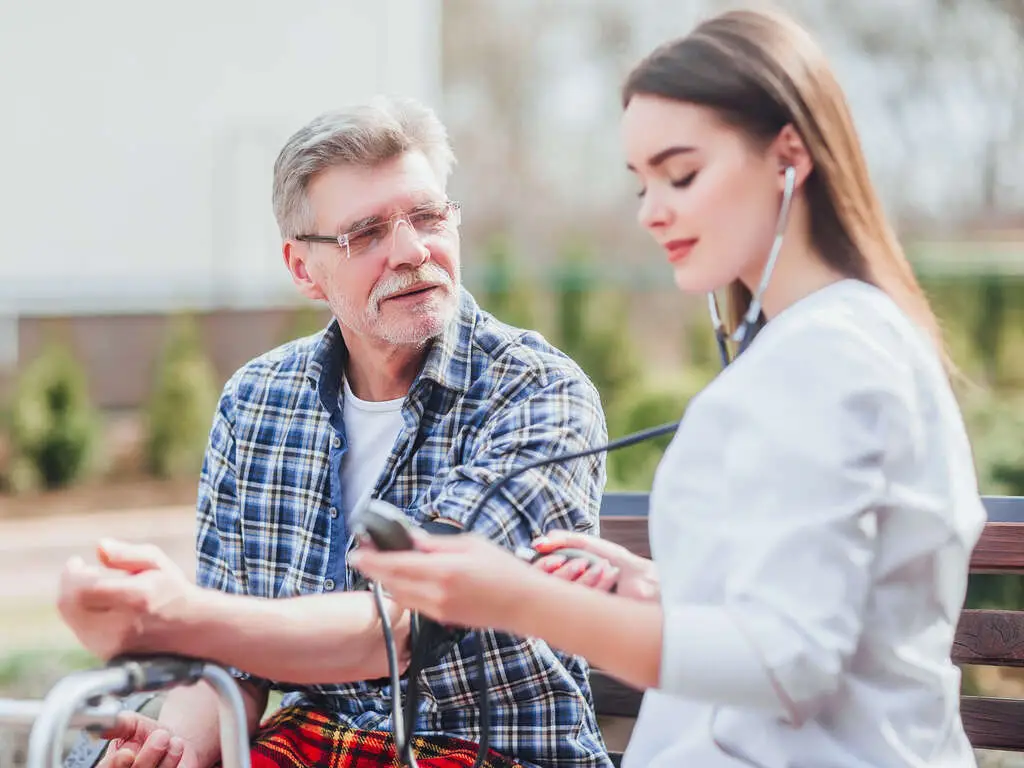
Turning Point of Tampa offers rehab for veterans. Our residential program helps address substance use, including prescription drugs such as opioid painkillers, as well as screening for mental illness and assisting with mental health treatment.
Rehab centers that do not understand a veteran’s struggle create alienation with service members. Most service members abroad who are currently active in the armed forces seek help within the rehab programs offered by the Department of Veterans Affairs.
Rehab for veterans who have been discharged or retired service members can utilize their veteran benefits at Turning Point of Tampa. Finding recovery eliminates the struggle that veterans face trying to find substance abuse treatment options. We can help support veterans in their recovery.
Veterans addiction treatment programs were created to address co-occurring mental health problems and substance use disorders.
Rehab centers like Turning Point of Tampa have helped thousands find recovery. As an in-network facility, we are able and committed to helping veterans find the life they deserve.
Levels of Care
At Turning Point of Tampa we offer a comprehensive continuum of care, including primary and extended care programs, intensive outpatient and weekly aftercare groups.
Levels of Care
At Turning Point of Tampa, we offer a comprehensive continuum of care, including primary and extended care programs, intensive outpatient and weekly aftercare groups.
| Level of Care | Description | Setting |
|---|---|---|
| Medical Detox (ASAM 3.7) | 24/7 medically supervised withdrawal management | Residential / On-campus |
| Residential Treatment (ASAM 3.5) | Structured, full-time programming with clinical and peer support | On-campus |
| Partial Hospitalization (PHP) | Intensive day treatment, up to 7 days per week | On-campus |
| Intensive Outpatient (IOP) | Structured group and individual therapy with flexible scheduling | On-campus or Virtual |
| Virtual IOP | Telehealth-based IOP for those with barriers to in-person care | Remote |
| Weekly Aftercare Groups | Free, therapist-facilitated groups available for life | On-campus |
| Recovery Residences | Supervised sober-living support between treatment phases | On-campus |
Veterans and Mental Health Issues
Although military service often results in resilience for veterans and their families, there are circumstances of substance use challenges that stem from mental health disorders. Veterans diagnosed with a substance use disorder are also typically diagnosed with a co-occurring mental health condition.
There are high rates of Traumatic Brain Injury (TBI), Post-Traumatic Stress Disorder ( PTSD ), and Major Depressive Disorder among combat and other veterans.
Veterans struggle with substance abuse and addiction for a variety of reasons. Often, while on active duty, military personnel experience shocking, traumatic, and dangerous events. Things like military sexual trauma, combat exposure, and other daily military experiences can all contribute to veterans’ use of substances.
Upwards of a third or thirty percent of reserve military personnel and active duty veterans who were deployed in Iraq and Afghanistan suffer from a mental health condition that may require treatment.
This means that approximately 730,000 women and men experience major depression and/or post-traumatic stress disorder.
The sad truth is that less than 50 percent of returning veterans who are in need of mental health treatment get it. According to the Veterans Administration, an estimated 17 veterans die by suicide every day.
The Link Between PTSD and Substance Abuse
Post-traumatic stress disorder, or PTSD, is a mental health condition caused by experiences or traumatic events. Three of the core symptoms are: re-experiencing the traumatic event, avoiding reminders that trigger its recollection, and persistent feelings of sadness or low mood.
Symptoms include insomnia or anxiety attacks. PTSD affects veterans because they have had to endure hazardous situations. A person suffering from traumatic stress disorder can also be prone to addiction to drugs to manage the symptoms.
Substance Use Disorder
Veterans are more likely than the general population to be diagnosed with drug or alcohol addiction or a substance abuse disorder.
Iraq and Afghanistan veterans were found to have a higher rate of substance abuse than those who did not deploy.

Symptoms of Addiction
Addiction is a chronic disease of the brain, which causes a person to use drugs or alcohol despite negative consequences. The most common symptoms of addiction are:
- A strong urge to use alcohol or drugs
- Taking higher doses than intended
- Losing interest in things that were once enjoyed
- Neglecting responsibilities and relationships
- Continuing to use alcohol or drugs despite negative consequences
- Experiencing withdrawal symptoms
Addiction Among Women Veterans
In the past decade, fewer women have been diagnosed with substance addiction issues. The number of VA patients with substance use disorders increased by 81% between 2006 and 2010. A veteran’s gender can add a further layer of difficulty.
Statistics suggest women have twice as much PTSD and two-thirds of all psychopathological symptoms. Among those who reported experiencing female sexual trauma, about one in five military personnel can develop PTSD.
Traumatic Brain Injury
In the United States, there are more than 2.2 million military veterans who have been diagnosed with traumatic brain injury.
The number of veterans suffering from this injury is increasing every year, and the rate of diagnosis is nearly three times higher in Iraq and Afghanistan war veterans compared to Vietnam War veterans.
The long-term effects of traumatic brain injuries can be devastating to a veteran’s quality of life. It can affect their memory, concentration, language skills, and social abilities. In addition to these cognitive effects, a traumatic brain injury can also lead to physical disabilities such as loss of balance or chronic headaches.
Sexual Trauma
Many veterans return from war with Post-Traumatic Stress Disorder (PTSD) and other mental health issues. Sexual trauma is also common in this population.
One in five women and one in 100 men are sexually assaulted or raped at some point in their lives.
Many people turn to cannabis, alcohol, and other drugs to alleviate the pain from trauma. However, these substances often address the symptoms rather than the root cause, leading to a high risk of addiction.
Veteran Suicide Risks
Veterans’ suicide rates were higher than those of civilians. 6. Approximately 20% of American suicides have occurred by veterans. Some 17 veterans die by suicide each day.
Over one-third of those suicides involved alcohol abuse, and around 1/3 involved prescription drugs in 2005 and 2009. Almost 50% of veterans who commit suicide had mental illnesses. Various factors can increase the risk of death for veterans, such as drug and alcohol abuse.
Veterans Experiencing Homelessness
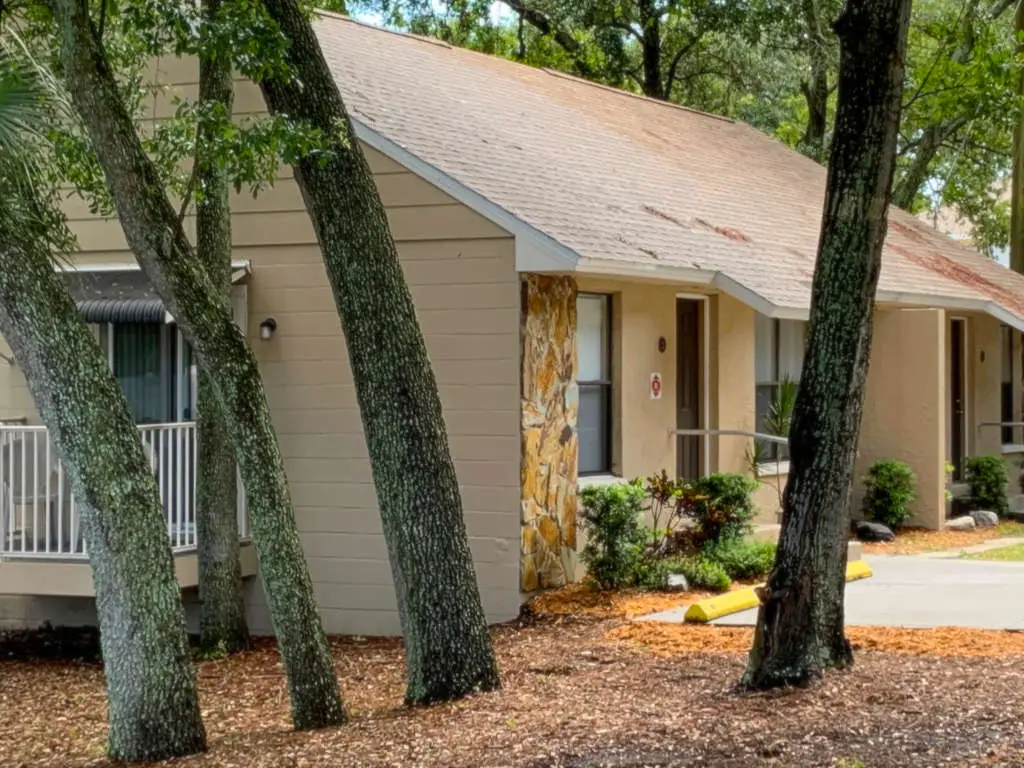
The U.S Department of Veterans Affairs estimates that there are over 1.5 million homeless veterans on any given night, with some estimates as high as 2.5 million. This is due to a lack of resources, veteran addiction, or other mental illnesses that make it difficult for veterans to retain employment.
Veterans Affairs
Veterans Affairs (VA) is a U.S. government agency that provides healthcare and other benefits to veterans and their families.
Veterans Addiction Assistance
Treatment for Veterans & Active Duty Service Members

Preferred Provider of The Community Care Network
Reducing Stigma of Substance Abuse for Veterans
The military still experiences stigma regarding mental illness and drug addiction for military personnel. Many do not seek treatment or go undiagnosed.
Veterans who seek treatment may choose not to attend because of the social stigma surrounding addiction. Some veterans are afraid of negative perceptions they might receive when they treat the symptoms of mental health problems.
Veteran Substance Abuse Statistics
Almost 71% of veterans in the U.S. were diagnosed with drug abuse in the years 2004-2006. For veterans ages 18 and 25, it is about 25%.
A substance use disorder involves addiction to any substance or alcohol regardless of the physical harm it causes. The prevalence of prescribed drugs is fairly widespread. Between 2002 and 2008, the prevalence of prescription drug misuse among active-duty service members increased.
Veterans Treatment for Alcohol Addiction
The Department of Veterans Affairs (VA) Alcohol and Drug Dependence Rehabilitation Program provides social, rehabilitation, medical, and vocational therapies to eligible alcohol- and drug-dependent Veterans.
The programs offer various forms of treatment, including detoxification or “detox”, rehabilitation, and mental health services. Rehab for veterans treatment programs are located in the VA medical centers and clinics.
Post-Traumatic Stress Disorder Treatment Near Me
Veterans who experience post-traumatic stress disorder (PTSD) can be taken over by their negative feelings, or in other terms, persistent negative emotions. A veteran may also experience feelings of guilt, remorse, shame, disinterest in once-enjoyed activities, and find it difficult to be happy.
PTSD-Post-traumatic stress disorder (PTSD) is a real disorder that develops when a person has experienced or witnessed a scary, shocking, terrifying, or dangerous event. The Resolve program is designed to address the underlying cause of the condition.
VA Health Care
that offer veterans services organizations to assist veterans during the healthcare process.
The Veterans Benefits Administration provides a representative to ensure that veterans receive the services necessary to cope with their past. These services include disability compensation, education and training benefits.
Why Choose Turning Point of Tampa?
At Turning Point of Tampa, we provide treatment services to people and their families who are suffering from addiction, drug abuse, eating disorders, and dual-diagnosis issues.
Since 1987, Turning Point of Tampa has been a family-owned facility focused on 12-Step-oriented, quality care for men and women 18 years or older. Located on one campus, our programs feature highly credentialed staff providing real structure, teaching clients how to practice 12-Step principles, in a licensed, residential setting where group counseling is the keystone.
Therapeutic modalities that are ideal for veterans include cognitive behavioral therapy, reality therapy, and accelerated resolution therapy, all of which are led by trained and licensed therapists. Veterans in our treatment programs can also take advantage of peer support programs and the structure of the 12-step methodology to achieve sobriety or manage eating disorders.
Some of our services include addiction education, behavioral health treatments, and other treatment sessions that focus on clients and their families.
At Turning Point of Tampa, our team members share a singular focus – dedication to our clients.
Getting Help at Turning Point of Tampa
Our interdisciplinary team has been consistent for over 35 years. We started Turning Point of Tampa in 1987, believing that the daily application of a 12-Step program is the answer for alcoholics, addicts, and those suffering from eating disorders.
Clients who come to our facility are those who need the structure and guidance of a 12-Step program, PLUS the addition of therapy, psychiatric evaluation and care, as well as other disciplines of treatment.
We have never wavered from this belief and have never compromised what we believe in for the sake of the next “best quick cure” in the industry.
If you are looking for a facility that adheres to what they believe in and applies those standards and ethics in their organizational culture and lives, then you should consider Turning Point of Tampa.
Frequently Asked Questions About Veterans Addiction Treatment
Yes. The Resolve Program at Turning Point of Tampa is a preferred provider of the VA Community Care Network and accepts TRICARE. Community care must first be authorized by the VA before a veteran can receive care from a community provider like Turning Point of Tampa.
The Resolve Program is Turning Point of Tampa’s specialized addiction treatment track designed exclusively for active duty service members and veterans. It addresses substance use disorders, eating disorders, and dual diagnosis — including combat-related PTSD, traumatic brain injury (TBI), and military sexual trauma — using evidence-based practices and therapies proven effective for this population.
Veterans enrolled in the Resolve Program have access to Cognitive Behavioral Therapy (CBT), Reality Therapy, and Accelerated Resolution Therapy (ART) — a trauma-focused modality particularly effective for PTSD. All therapies are led by trained and licensed clinicians, and veterans also benefit from peer support and the structure of the 12-Step methodology.
Yes. Turning Point of Tampa specializes in dual diagnosis treatment — meaning co-occurring conditions like PTSD and substance use disorder are treated simultaneously and in an integrated way, rather than addressing one problem at a time. This integrated approach is central to the Resolve Program’s design.
Turning Point of Tampa offers a full continuum of care on a single Tampa campus: medical detox (ASAM Level 3.7), residential treatment (ASAM Level 3.5), partial hospitalization (PHP), intensive outpatient (IOP), virtual IOP, recovery residences, and free weekly aftercare groups available for life after discharge.
Veterans or their families can call Turning Point of Tampa directly at any time — admissions are available 24 hours a day, 7 days a week. For those using VA Community Care benefits, authorization from the VA is required prior to admission. The admissions team can help guide veterans and families through the insurance and authorization process.